
St Ives Specialists
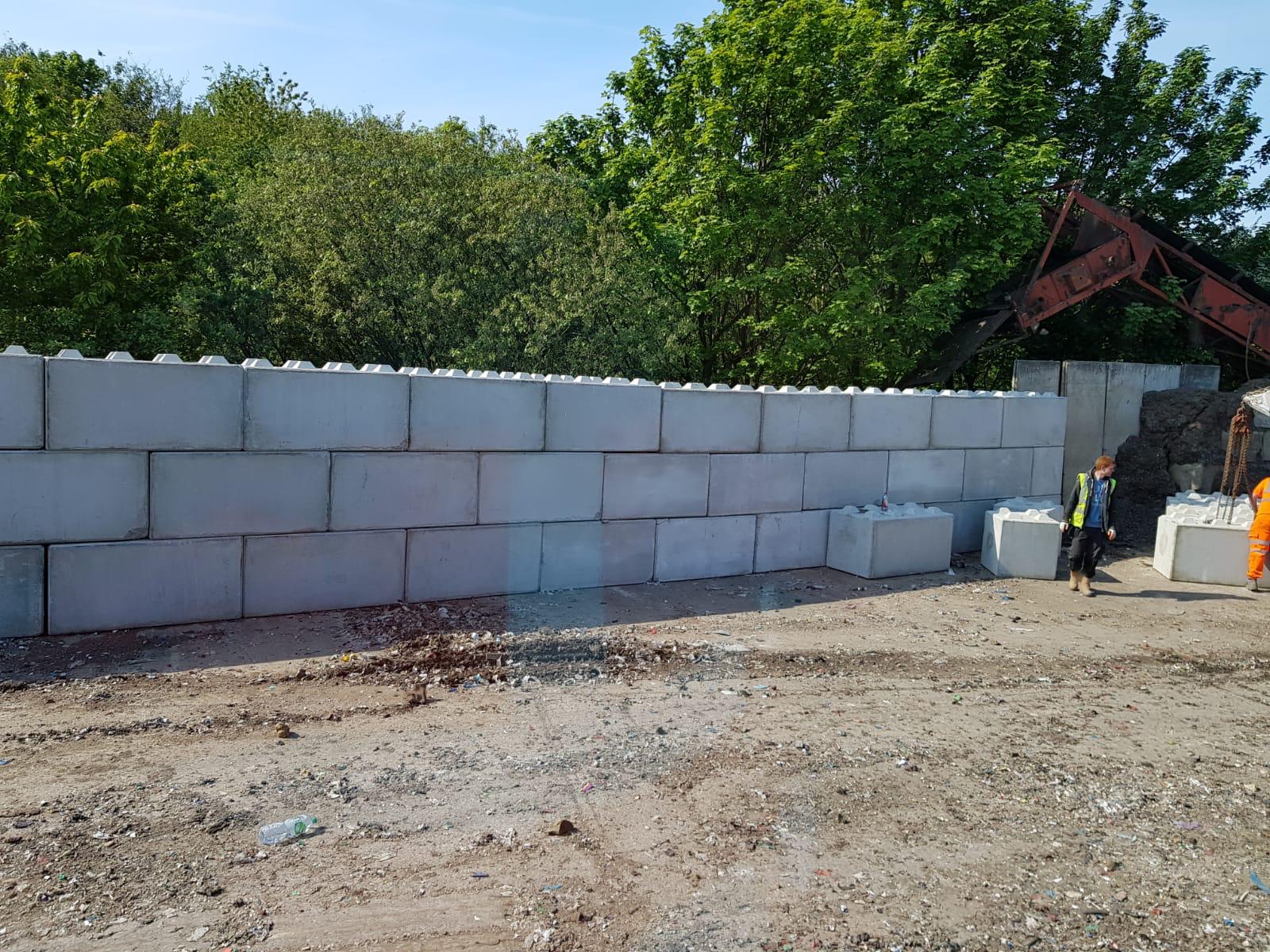
Retaining Walls St Ives
St Ives blocks are known for irregular shapes and challenging clay soils that move significantly with moisture changes. Our retaining walls are engineered specifically for these conditions, preventing cracking and movement over time.
Local Expertise
Retaining Wall Solutions for St Ives Clay Soils
St Ives sits on some of the most reactive clay soils in Sydney. Properties here experience significant ground movement as clay expands when wet and contracts during dry periods. Standard retaining walls fail in these conditions.
Our St Ives walls are designed with deeper footings, flexible joints and comprehensive drainage systems that manage moisture levels in surrounding soil. This engineering prevents the cracking and leaning seen in walls built without clay soil expertise.
From curved boundary walls on irregular blocks to tiered systems in sloping backyards, we build structures that perform long-term in St Ives conditions.
Why Choose Us
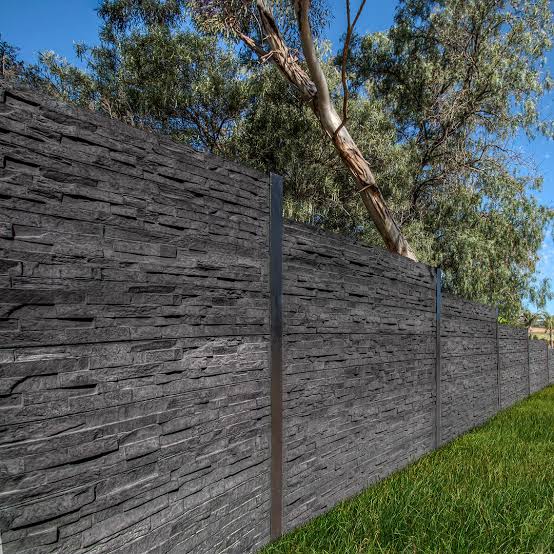
St Ives Retaining Wall Experts
Clay Soil Engineering
We design for soil movement. Deeper footings, appropriate reinforcement and controlled joints allow walls to handle seasonal clay expansion and contraction.
Irregular Block Expertise
St Ives blocks often have curved boundaries and odd angles. We build walls that follow property lines precisely, maximising your usable space.
Drainage Focus
Managing water is critical in clay soils. Every wall includes drainage that moves water away quickly, reducing moisture fluctuations that cause soil movement.
Garigal Buffer Knowledge
Properties near Garigal National Park need walls that manage runoff without impacting bushland. We design appropriate sediment controls and drainage outlets.
Our Approach
Building for St Ives Conditions
Soil Analysis
We assess clay reactivity on your block. St Ives soils vary significantly and engineering must match specific site conditions.
Boundary Survey
Irregular blocks need precise boundaries. We work from survey plans to ensure walls are correctly positioned on your property.
Engineered Design
Structural engineers design footings and reinforcement for clay soil movement. Joints are positioned to control cracking.
Drainage Installation
Agricultural drains, gravel backfill and discharge points are installed to manage water. This is critical for long-term wall performance.
Quality Construction
We build to engineering specifications with certified materials. Every element is documented for council compliance.
St Ives Quotes
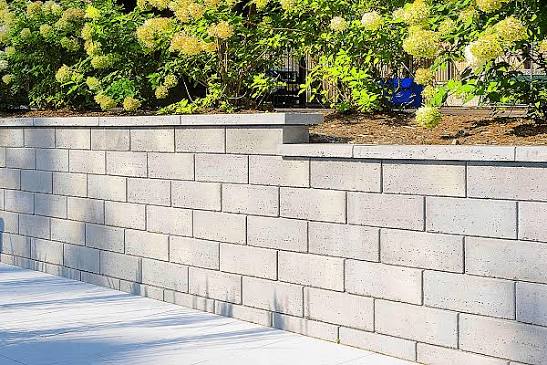
Get Your Free St Ives Retaining Wall Quote
Contact us to discuss retaining walls engineered for St Ives clay soils. We provide solutions that perform long-term.
St Ives FAQs