
Frequently Asked Questions
Straight answers about retaining walls
Use these answers as a starting point, then contact us with the details of your site and project for advice relevant to your situation.
What retaining wall services do you provide in Greater Sydney?+
We provide block retaining walls, concrete sleeper walls, poured concrete walls, sandstone walls, timber walls, brick walls, gabion walls, rock and boulder walls, plus retaining wall repair and replacement services.
Which areas do you service?+
Our service area covers Northern Beaches, Campbelltown, Sutherland Shire, Castle Hill, Blacktown, Eastern Suburbs, Hills District, Hornsby, North Shore, Parramatta, Penrith and Western Sydney. Contact us for properties in other Greater Sydney locations.
Do I need council approval for a retaining wall?+
In NSW, walls over 600mm in height typically require development approval. Walls near boundaries, supporting buildings or managing significant loads may have additional requirements. We can advise on the likely approval pathway for your project.
What type of retaining wall is best for my property?+
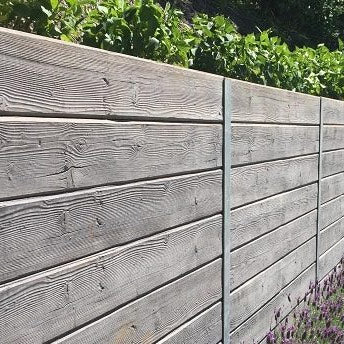
The best wall type depends on site conditions, height requirements, soil type, drainage needs and desired appearance. Block walls suit structural applications, concrete sleepers offer a clean modern look, sandstone provides natural aesthetics, and timber can be cost-effective for lower walls.
How long does a retaining wall last?+
A well-constructed retaining wall with proper drainage can last decades. Concrete and block walls typically last 50 plus years, timber walls 15 to 25 years depending on treatment and conditions.
What causes retaining walls to fail?+
Common causes include inadequate drainage, poor footing design, insufficient reinforcement, hydrostatic pressure buildup, tree root damage, and walls not designed for the actual loads they need to support.
Do retaining walls need drainage?+
Yes. Proper drainage is critical for retaining wall performance. This typically includes gravel backfill, drainage pipe at the base and weep holes to relieve hydrostatic pressure.
Can you repair a leaning retaining wall?+
Sometimes. Minor leaning may be correctable with drainage improvements and soil stabilisation. Significant lean often requires partial or full reconstruction to address the underlying cause.
What information should I include with my enquiry?+
Include the property address or suburb, approximate wall height and length, purpose of the wall, any site photos showing the area, and any specific material preferences you have.
Do you provide structural engineering for retaining walls?+
We coordinate with structural engineers when wall height, proximity to structures or load conditions require certified engineering. This is typically needed for walls over 600mm or those supporting significant loads.
Can you build retaining walls on sloped blocks?+
Yes. Sloped blocks are one of the most common applications for retaining walls. We assess the slope, soil conditions and drainage to recommend the most suitable wall system and staging approach.
What is the difference between a retaining wall and a garden wall?+
A retaining wall holds back soil and manages level changes, bearing significant lateral loads. A garden wall is primarily decorative or defines garden beds without major structural requirements. Construction standards differ accordingly.